WE’RE ON THE OCHE is an independent fortnightly darts magazine built around the whole game—not only the players under television lights.
We will cover professional darts properly, but we are just as interested in pub leagues, local competitions, amateur players, women’s and youth darts, online leagues and the stories that rarely receive much attention elsewhere.
This magazine is for the people who play darts, follow darts, organise darts and keep the game alive every week.
We want readers to be part of it. Send us your photographs, first 180s, unusual checkouts, league stories, achievements and the moments that make darts worth playing.
No manufactured hype. No pretending every story is bigger than it really is.
Just honest darts coverage, genuine stories and a proper darts community.
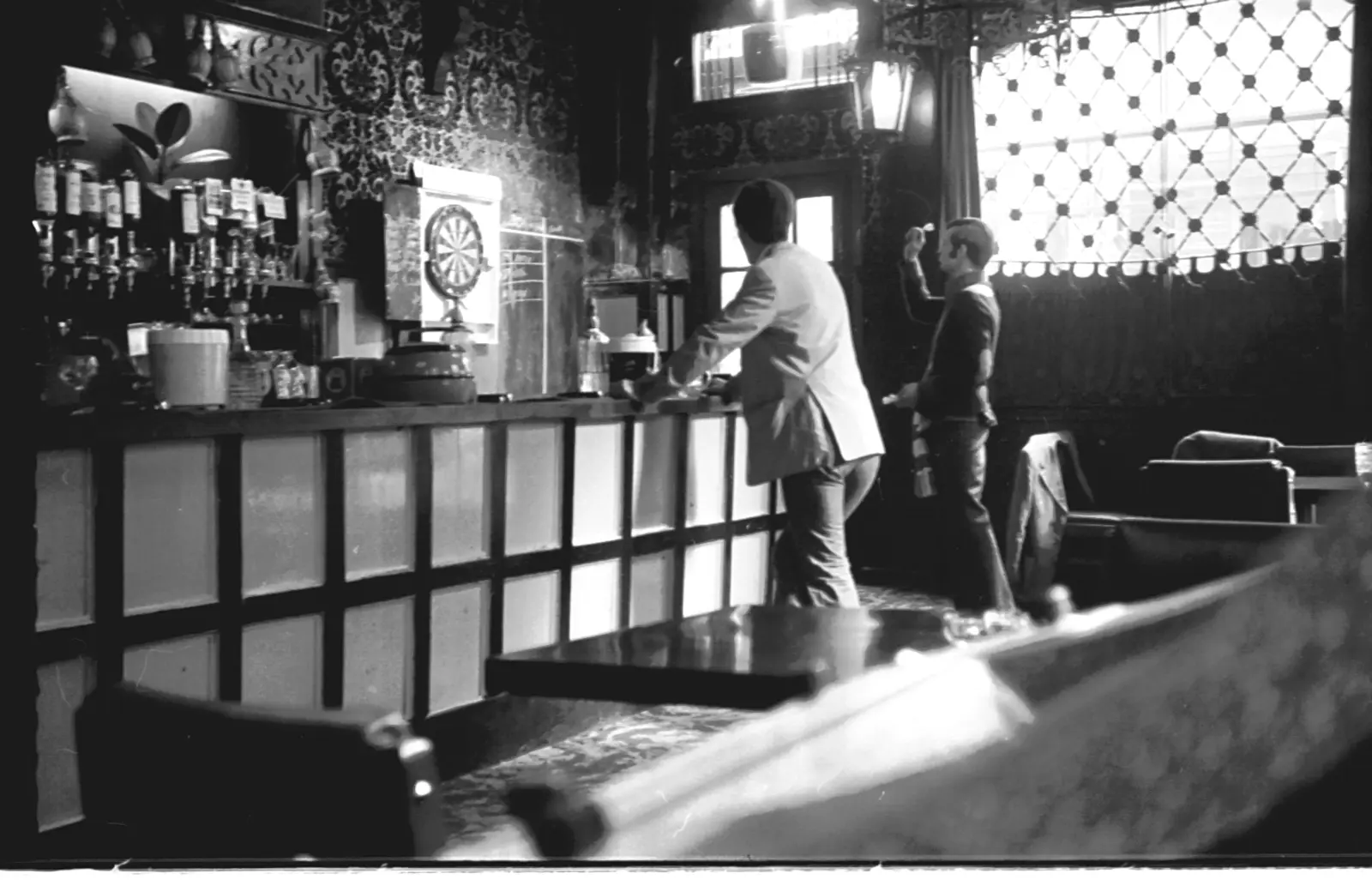
Playing darts in a London pub, 1974—the grassroots game without the hype. Photograph: Klaus D. Peter, licensed under CC BY 3.0 DE. Cropped and optimised for web.
NO GLAM.NO GLITZ.JUST DARTS.
THE AUDIO EDITION
Listen to Leg One
Audio edition coming soon.
EVERY LEG. STRAIGHT TO YOUR INBOX.
Subscribe Free
Get each new fortnightly edition of WE’RE ON THE OCHE, plus entry and voting access for our community features.
SUBSCRIBE FREEFree to subscribe. No spam. Unsubscribe at any time.
NO. 1THE BIG STORY
The Qualifier Who Shook Wollongong
Brody Klinge arrived as a home qualifier and left having forced the darts world to take notice.
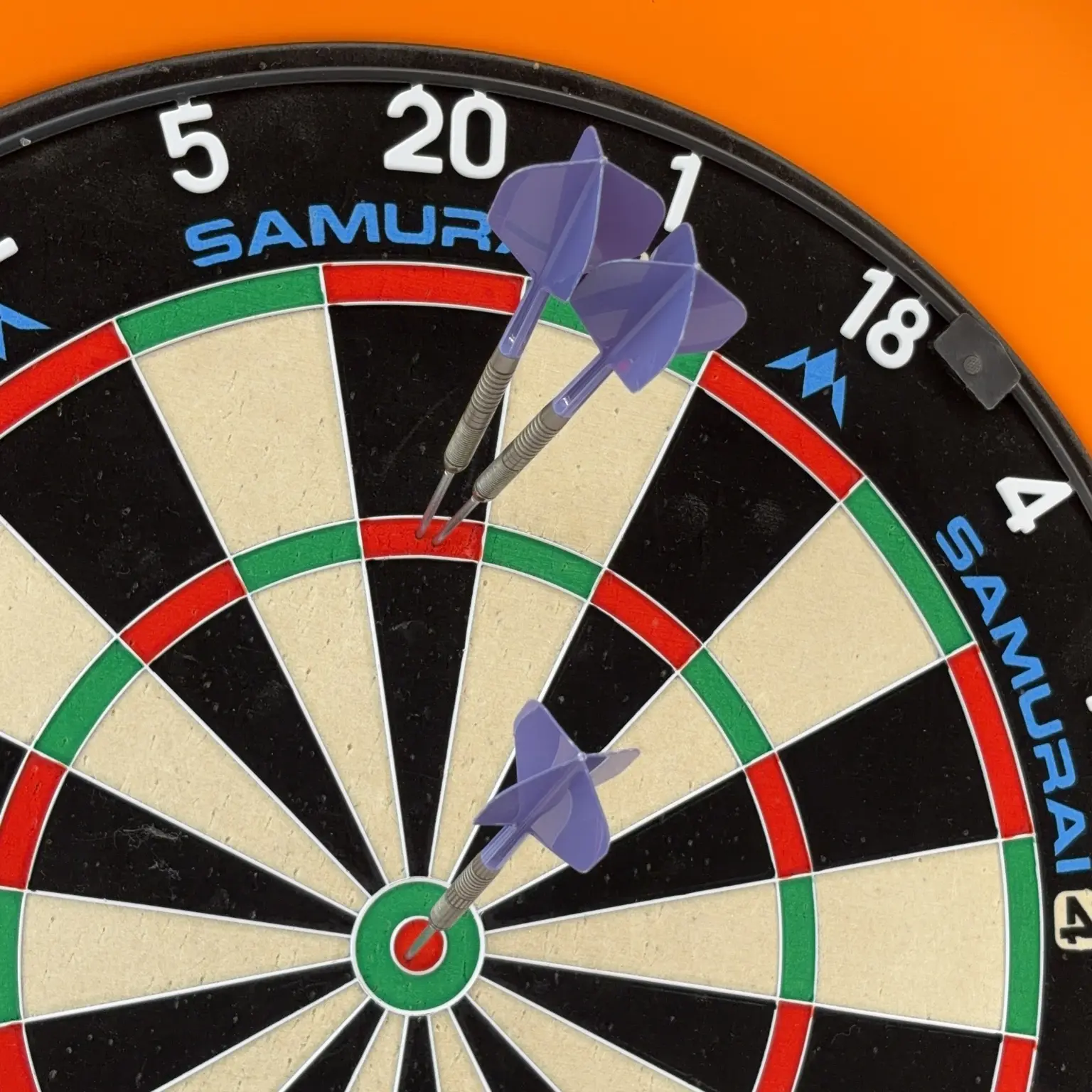
Treble 20. Treble 20. Bull. The biggest checkout in darts. Photograph supplied to WE’RE ON THE OCHE.
Brody Klinge did not lift the Australian Darts Masters trophy. He did something almost as important: he made Australian darts believe. Competing as one of the home qualifiers in Wollongong, Klinge was expected to provide opposition for the visiting PDC professionals. Instead, he fought his way through three established names and came within one match of completing an extraordinary home victory.
His run began with a deciding-leg win over Ross Smith, despite Smith averaging more than 102. Klinge then defeated world number three Gian van Veen 6–4 before facing New Zealand Darts Masters champion Jonny Clayton in the semi-final.
With Clayton waiting for an opportunity to stay in the match, Klinge stepped up needing the biggest finish in darts.
T20T20BULL
KLINGE CLINCHES THE MATCH WITH A BIG FISH
The 170 checkout sent the Wollongong crowd wild and put an Australian qualifier into the final on home soil.
James Wade was waiting for him.
Wade had produced some exceptional darts of his own, including a 112.73 average in his opening whitewash of Tim Pusey. He then defeated Stephen Bunting and Gerwyn Price to reach the final.
Experience ultimately prevailed. Wade won 8–5 and collected the first World Series title of his long career.
But Klinge was far from outclassed. The Australian averaged 104.56 in defeat—higher than Wade’s 101.62—and continued fighting until the final dart.
The trophy belonged to James Wade, and rightly so. At 43, one of the most successful players of his generation had finally filled a surprising gap in his record.
The weekend’s breakthrough, however, belonged to Brody Klinge.
He arrived as a qualifier from the Australian circuit. He left having beaten three world-class professionals and shown that the difference between the local game and the televised stage may not be as great as people assume.
That is why this story matters.
Klinge did not need to win the tournament to prove that he belonged there.
Online leagues could give young players countrywide—and eventually international—competition. But opportunity and safeguarding must be built together.
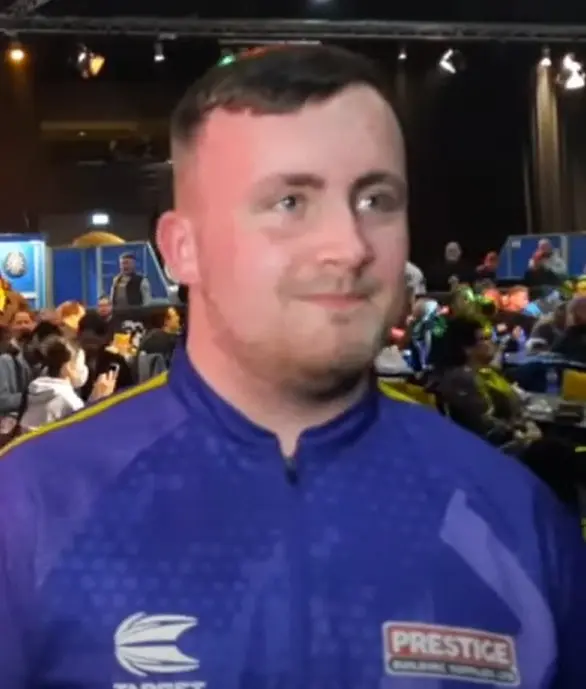
Luke Littler at the WDF World Masters in 2022, aged 15. Image: Darts Actueel, licensed under CC BY 3.0. Cropped and optimised for web.
Every sport talks about supporting its next generation. Darts must do more than talk about it.
There are talented young players practising in bedrooms, garages, community halls and local academies across the country. Some have a strong junior setup nearby. Many do not. Their opportunity to compete can depend on where they live, whether somebody can drive them and what their family can afford.
Online youth leagues could change that.
A young player in Portsmouth could face somebody in Newcastle without either family making a ten-hour round trip. A player from a rural area could take part in regular, age-appropriate competition rather than waiting months for the next suitable event. In time, British players could compete with young people in Ireland, the Netherlands, Australia or anywhere else with a board and a safe connection.
This would not replace academies, clubs or face-to-face tournaments. Those environments remain essential for coaching, friendships and learning how to behave in competition. Online darts could fill the gaps between them.
It could provide weekly fixtures, rankings based on age and ability, team competitions, coaching sessions and properly organised tournaments. Beginners could play other beginners instead of being overwhelmed by experienced teenagers. Stronger players could find meaningful competition beyond their own area.
The biggest gain might be belonging. A well-run league could bring together young people who love darts but rarely meet anyone their own age who shares that interest. It could give them regular competition, encouragement and a reason to keep practising.
But calling something a youth league does not automatically make it safe.
SAFE COMPETITION BY DESIGN
The protection must come first
Verified entry
Every player registered through a parent or guardian, with age checked before they enter an age group.
Visible communication
No private adult-to-child messaging. League communication stays in moderated channels that parents can access.
Trained adults
A named safeguarding lead, suitable checks where required, proper training and a clear route for reporting concerns.
Privacy first
Collect only necessary information. Do not publish children’s locations, contact details or other personal information.
Active moderation
Bullying, abuse, grooming, cheating and inappropriate behaviour must be acted upon—not dismissed as banter.
Clear boundaries
Parents, players and organisers all know the rules, who is supervising and what happens when somebody breaks them.
International competition would require even greater care. Safeguarding rules, data protection and parental-consent requirements differ between countries. Time zones, languages and the identity of overseas organisers would all need to be addressed before fixtures began.
None of that is a reason to abandon the idea. It is a reason to build it properly.
Start with a small, well-supervised national pilot. Work with safeguarding professionals, youth darts organisations, parents and the young players themselves. Test the rules, listen to concerns and improve the system before attempting to expand it.
Strong support from the PDC would go a long way. Working alongside established youth organisations such as the Junior Darts Corporation, it could give properly run online competition the credibility, visibility and resources needed to reach far more young players.
That support would also be firmly in the PDC’s own long-term interest. Today’s junior players are tomorrow’s professionals, league organisers, supporters and paying spectators. Helping to create safe and accessible opportunities for them should not be viewed as charity. It is an investment in the future of the sport.
Properly recorded league and tournament results could also help responsible sponsors identify emerging players who might otherwise remain unseen. Instead of scouting only at a handful of major youth events, they could follow consistent performances across a longer period and discover talent from anywhere in the country.
Any approach involving a young player must be controlled, transparent and made through their parent or guardian. Results should create opportunity—not expose children to private contact, commercial pressure or promises that nobody can guarantee.
Darts is unusually well suited to this. Players do not need a full-sized pitch, expensive equipment or a team living nearby. A dartboard, a safe setup and a reliable online connection can open the door to genuine competition.
Youth darts is not a side project. It is the future of the game.
If darts gives young players somewhere safe to play, people who support them and a fair chance to compete, the whole sport will be stronger for it.
Women’s darts is producing history at the top. Its future, however, will be decided just as much in pubs, clubs, counties and academies.
THE BIGGEST WOMEN’S STORY · 23 AUGUST 2026
One Day. Two Titles. Greaves Again.
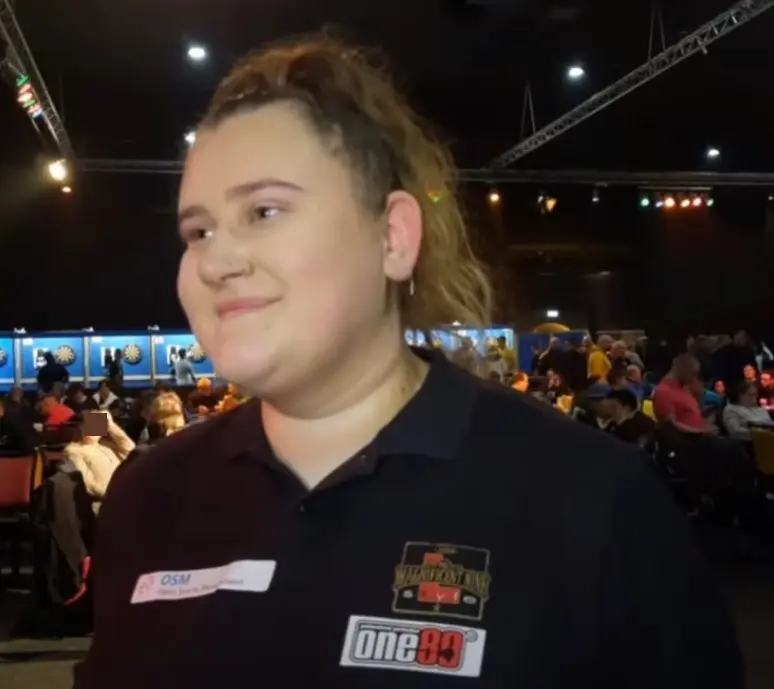
Beau Greaves in 2022. Image: Darts Actueel, licensed under CC BY 3.0. Optimised for web.
Beau Greaves missed Saturday’s two Women’s Series events in Leicester, returned on Sunday and won both tournaments she entered.
She defeated Lisa Ashton 5–3 in the Event 19 final to claim her 12th Women’s Series title of the season. In Event 20 she was even more dominant, dropping only three legs across seven matches before whitewashing Aileen de Graaf 5–0 in the final.
The double took Greaves to 13 victories from the first 20 Women’s Series events of 2026. It was another reminder that women’s darts currently has an outstanding standard-bearer—and another challenge to the players trying to close the gap.
Women’s darts has never had more visible proof of what is possible.
Beau Greaves became the first woman to win a PDC ranking title when she defeated former world champion Michael Smith in a deciding leg at Players Championship 11. She has since reclaimed the Women’s World Matchplay title, beating Fallon Sherrock 6–5 in another deciding-leg final at Blackpool.
Those achievements matter. So do the performances of Sherrock, Lisa Ashton, Gemma Hayter, Deta Hedman and the many players pushing behind them. Every time a woman competes successfully on a major stage, another outdated assumption about the standard of the women’s game becomes harder to defend.
The professional pathway is improving. The 2026 PDC Women’s Series consists of 24 events across six weekends, with £15,000 available at each event. Its rankings provide routes into the World Championship, Grand Slam and the televised Women’s World Matchplay.
But progress should not be confused with equality.
The Women’s World Matchplay remains an eight-player event staged in a single afternoon. Most Women’s Series darts is played away from television, and only a small number of players receive the visibility and sponsorship needed to pursue the game seriously.
If the top of the women’s game is to keep growing, the base underneath it must become wider and stronger.
AT THE TOP
Progress is real
More prize money, clearer qualification routes and performances against leading open-field professionals are pushing women’s darts forward.
The next step is more regular televised competition, deeper fields and enough earning opportunity for more than a handful of players.
AT GRASSROOTS
Belonging is everything
A woman trying darts for the first time should not have to prove that she belongs before anybody takes her seriously.
Welcoming teams, suitable formats, visible female organisers and firm action against harassment can decide whether somebody returns after her first night.
Grassroots darts is where most players first discover the game. It is also where some women still encounter barriers that rarely appear in tournament reports: walking alone into a male-dominated pub, being treated as somebody’s partner rather than a player, having ability judged before throwing a dart, or seeing inappropriate comments dismissed as harmless banter.
This will not be every woman’s experience and it will not describe every club. There are excellent leagues and venues where women captain teams, run competitions and compete on equal terms. Those are the examples the rest of the game should follow.
Broader sports research repeatedly identifies lack of belonging, cost, safety concerns, unsuitable environments and too few female leaders as barriers to women and girls taking part. Darts cannot assume it is immune simply because the equipment is affordable and men and women can throw from the same oche.
Leagues can make practical changes now. Promote genuine beginner nights. Support women who want to form teams without isolating them from open competition. Put women on league committees and tournament desks. Publish a conduct policy and enforce it. Make it obvious who a player can speak to if she is made uncomfortable.
Online leagues can provide another route, particularly for players who lack a nearby women’s team or do not initially feel comfortable entering an unfamiliar venue. They can begin at home, compete regularly and build confidence before deciding whether they want to play in person.
Sponsors also need to look beyond the same familiar names. A player does not have to be on television before equipment, travel assistance or entry-fee support can change what is possible for her.
The professional game creates the role models. Grassroots darts creates the next players.
Women’s darts does not need favours. It needs opportunity equal to its talent.
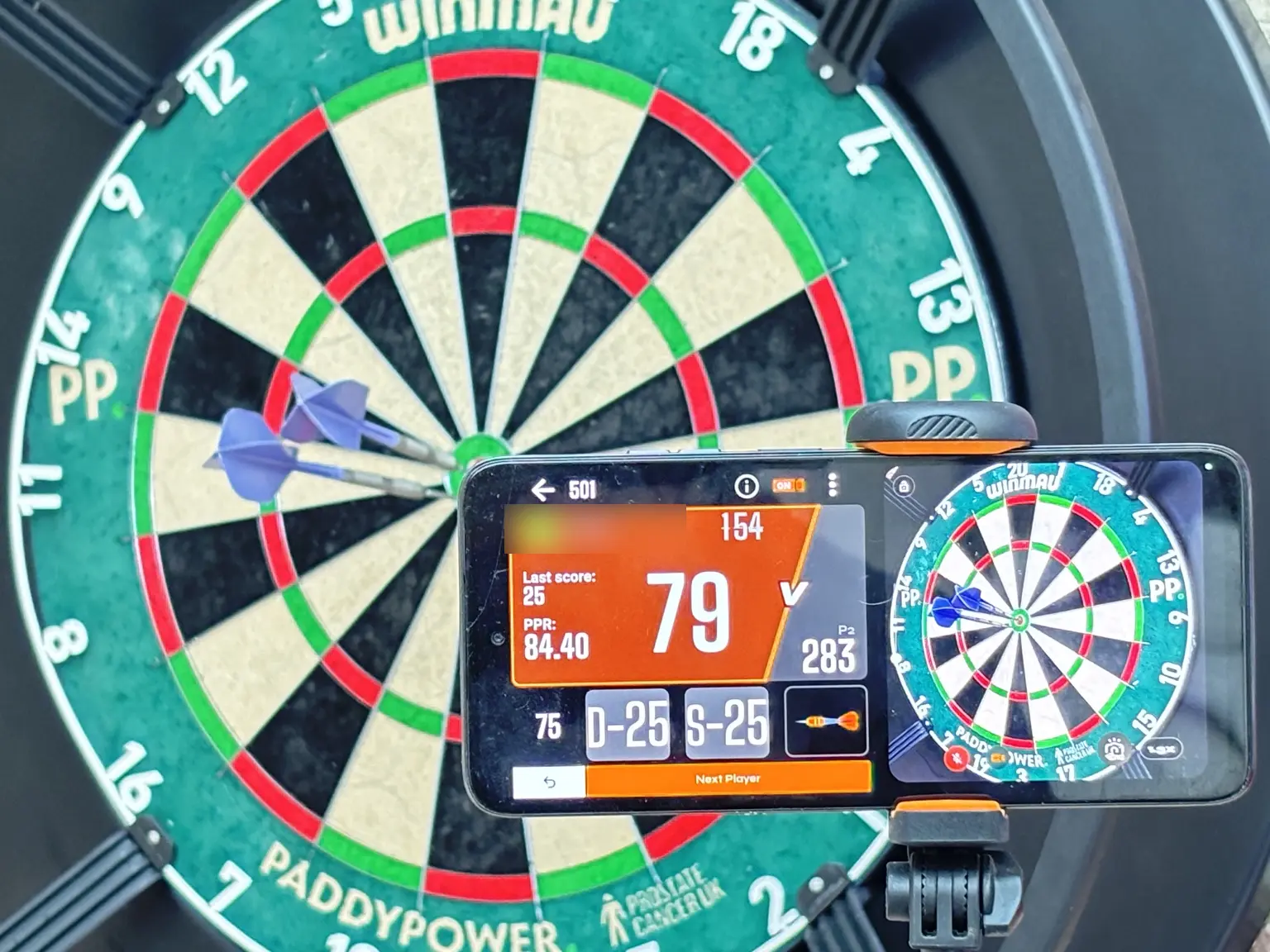
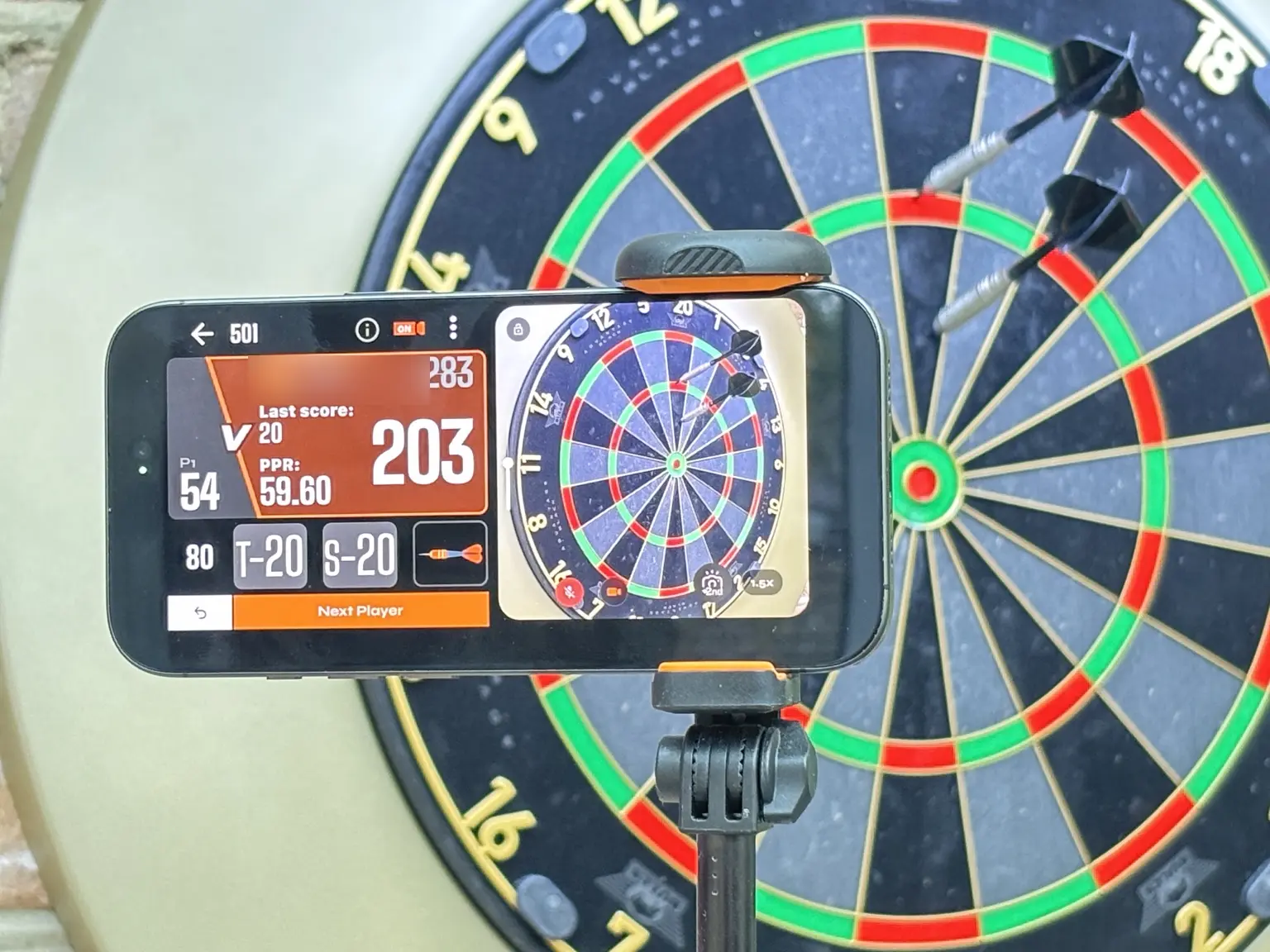
Online darts can offer far more than simply playing someone from home. A genuine darts community can give people somewhere to compete, connect and belong.
TWO HOMES. TWO BOARDS. ONE SHARED GAME.
Living with anxiety or depressionPlay from familiar surroundings, without the immediate pressure of entering a crowded venue.Finding face-to-face social situations difficultChoose how much interaction feels comfortable and take part on your own terms.
YOUR BOARD. YOUR SPACE. YOUR TERMS.
Two players connected through an online darts app.
Online darts can offer far more than simply playing someone from home. Joining an online league means becoming part of a genuine darts community—a group of people competing, talking, laughing and supporting one another through a shared love of the game.
For someone living with anxiety, depression, post-traumatic stress disorder (PTSD), ADHD, learning difficulties or another mental health condition, that sense of belonging can be enormously important.
Online darts can also open the game to people with physical disabilities, restricted mobility or long-term health conditions that make travelling to a pub, club or league venue difficult. They can compete from familiar surroundings without their circumstances preventing them from becoming part of a league.
Players can begin quietly, taking part in matches without the immediate pressure of walking into a crowded or unfamiliar venue. As their confidence grows, they may start joining the conversations, getting to know other players and gradually feeling part of something.
And a true darts community looks after its own. If people realise that a player is struggling, the response should not be ridicule. It should be support. If somebody disappears from the league for a couple of weeks, there is every chance they will receive a message:
“Hi John, we haven’t seen you playing lately. Is everything okay?”
That simple message matters. For someone who has been feeling isolated or forgotten, it can mean far more than the sender may ever realise. It tells them they have been noticed, they have been missed and they belong.
This is the real power of a true darts community.
Sometimes darts does not just give someone a game. It gives them people who notice when they are gone—and welcome them back when they return.
This belongs to the darts community. Subscribe free, share the photograph of your first-ever 180 and celebrate it with people who understand exactly what that moment means.
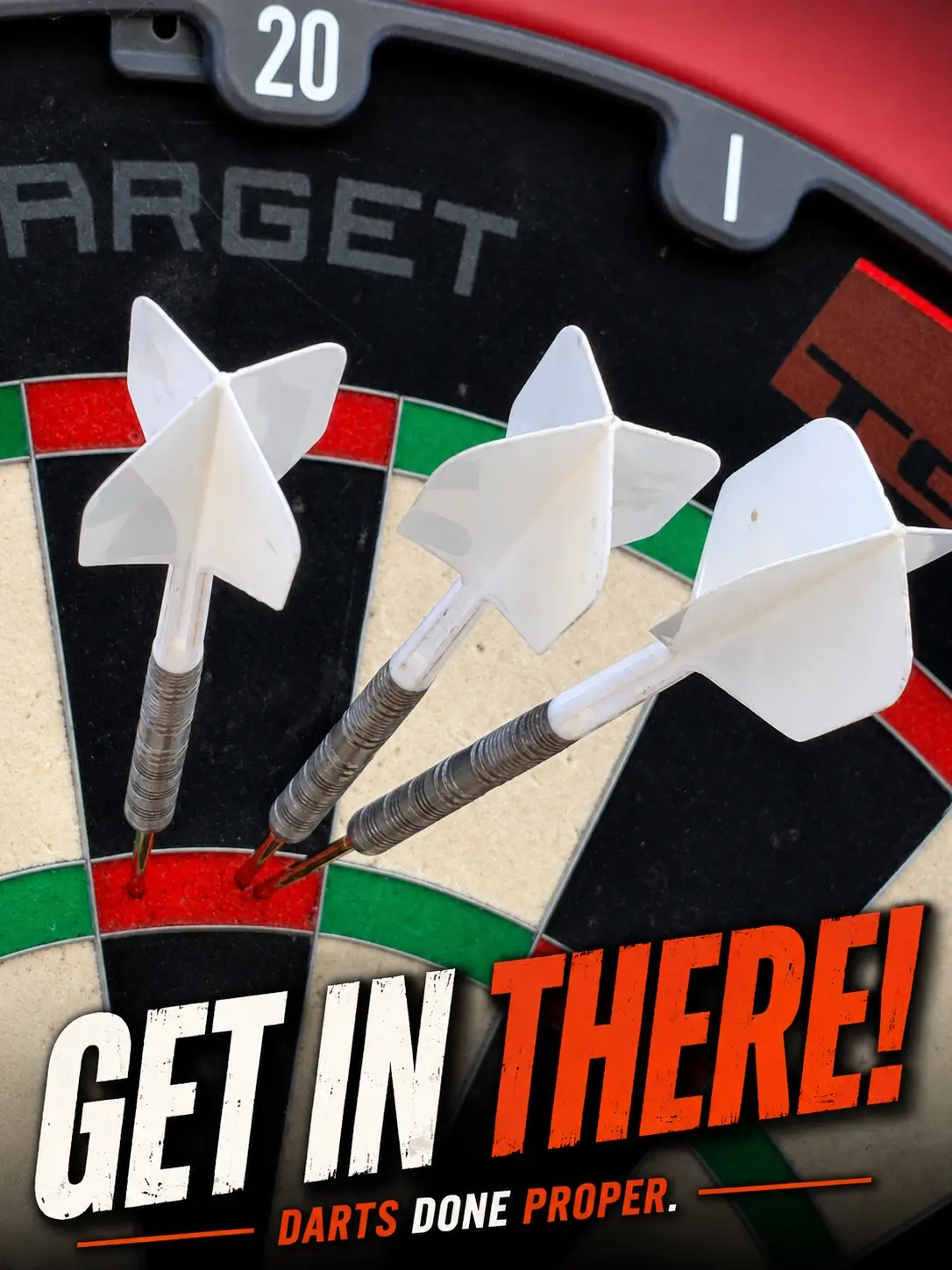
You never forget your first 180. The three darts in the treble. The pause before you take them out. The photograph that proves it really happened. It does not matter whether you hit it in a pub league, at home, in a club or playing online—it is a moment other darts players understand.
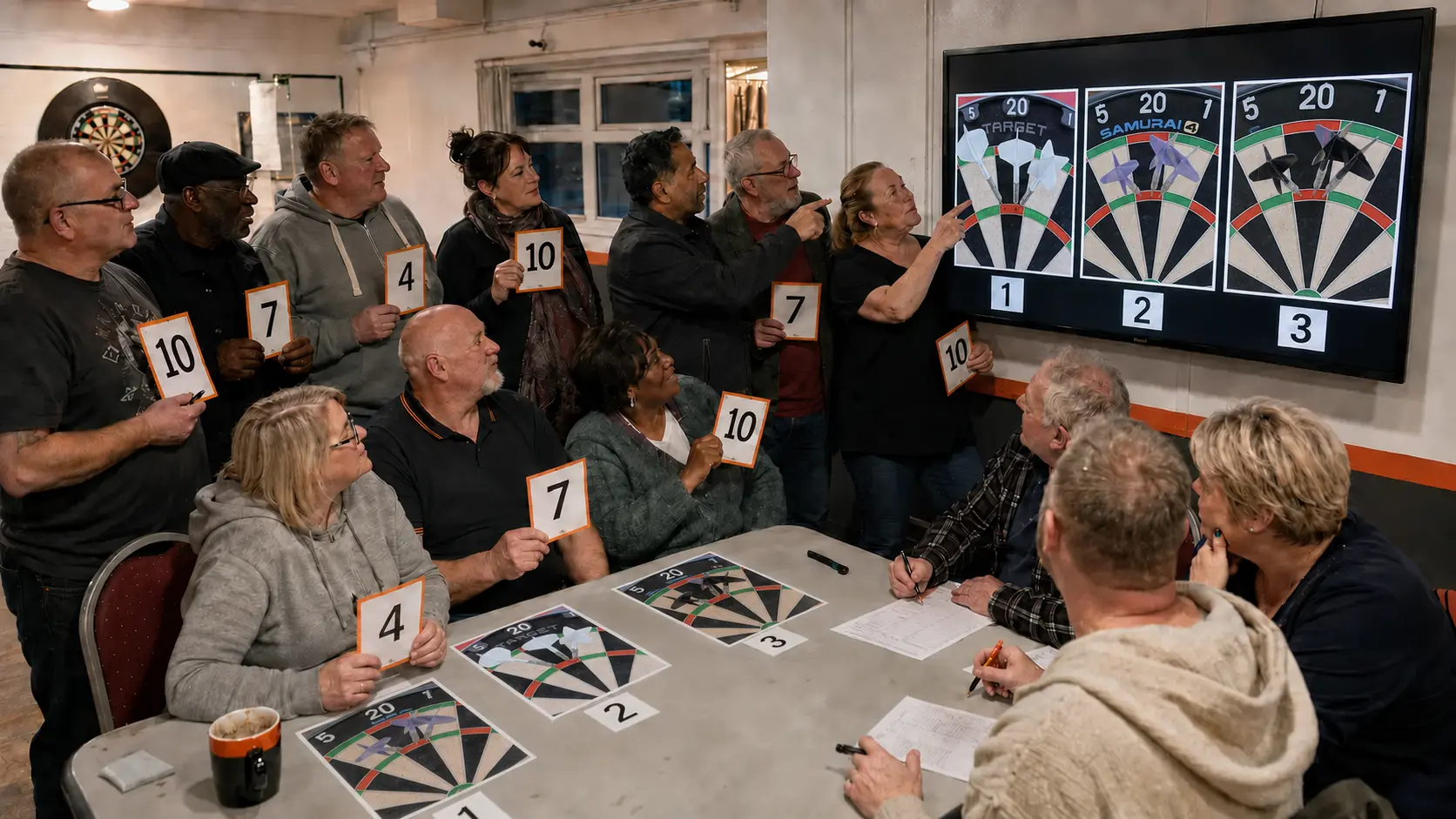
Once you have subscribed, share the photograph of your first-ever maximum with us. We will review every eligible entry and put ten photographs before the community. We choose the shortlist. The community chooses the winner.
WHAT WE WILL LOOK FOR
Four things make a great first 180 photograph
Neatness
How cleanly the three darts sit together in the treble.
Spacing
A tight group or a beautifully even spread can both score well.
Angle
The way the darts enter the board and form the finished group.
Image quality
A clear, well-lit photograph that shows the full 180 properly.
THE TOP TEN
The community decides
The ten shortlisted photographs will be numbered and published in the next Leg. Every subscribed reader can join in by choosing one photograph for first place, one for second and one for third.
Readers judge the shortlist. Every vote helps decide the winner.
1ST10POINTS
2ND7POINTS
3RD4POINTS
Each subscriber gets one ballot. When voting closes, the community’s points will be totalled and the photograph with the highest score will win the BEST FIRST 180 — LEG ONE prize.
These features will take their turn in future Legs. You can send a story or nomination now and we will hold the strongest submissions for when each feature takes centre stage.
ENTER NOW · FOR A FUTURE LEG
DartingDisasters
We have all seen the match that went completely wrong, the checkout miscalculation nobody will let somebody forget, the trophy that broke, the board that fell off the wall or the night when absolutely nothing went to plan.
Send us your funniest true darts disaster. It can come from a pub league, club night, online match, competition, team trip or your own practice room.
Make us laugh—but never use the story to humiliate somebody.
NOMINATE NOW · FOR A FUTURE LEG
DartingHeroes
Not every darts hero lifts a trophy. Some run leagues, coach juniors, welcome new players, raise money, check on teammates or quietly support people through difficult times.
Put forward somebody who has helped darts or helped the people who play it. Tell us who they are, what they do and the difference they have made—whether through their club, league, community, inclusion work or mental-health support.
The best nominations will receive a proper write-up in a future Leg.
One community challenge takes centre stage in each Leg. For Leg One, we want the photograph and story behind your first-ever 180.
FEATURED IN LEG ONE
YOUR FIRST 180Send your photograph now. We will select ten finalists for the community to judge in the next Leg.
ALSO ACCEPTING STORIES FOR FUTURE LEGS
Darting DisastersDarting Heroes
THE CONVERSATION BEGINS
Join the Darts Community
Our private Facebook group is where readers can talk darts, share results and stories, join polls and help shape future Legs of the magazine.
Professional darts, pub leagues, online friendlies, leagues and tournaments, women’s darts, youth development, wellbeing and the people who keep the game alive—it all belongs in the conversation.
We’ll send the next Leg straight to your inbox. You’ll also become part of the community that enters, votes, contributes and keeps grassroots darts visible.
SUBSCRIBE FREEBy subscribing, you agree to receive WE’RE ON THE OCHE by email. You can unsubscribe whenever you want.